
Is it time to say goodbye to the traditional plastics used in labs currently, the environment might just thank us. We will detail to you how RTR Healthtech are going to revolutionise the healthcare industry as we know it, read and find out.
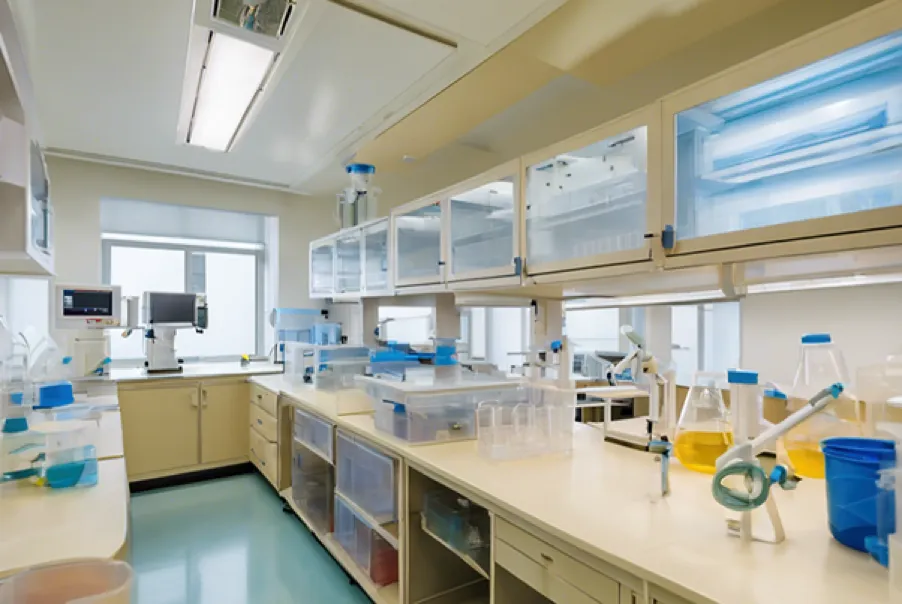
The use of traditional plastics in laboratory settings has long been a concern due to their detrimental impact on the environment. As we strive to become more environmentally conscious, the need to find sustainable alternatives has become increasingly urgent. RTR Healthtech is at the forefront of this movement, pioneering innovative solutions that not only address environmental concerns but also revolutionise the healthcare industry. By developing cutting-edge technologies and materials, RTR Healthtech is poised to transform the way healthcare is delivered. Their commitment to sustainability is evident in their approach to replacing traditional plastics with eco-friendly alternatives that are not only safe for the environment but also offer superior performance. This shift towards greener practices is not only beneficial for the planet but also for the overall well-being of society. Through their groundbreaking initiatives, RTR Healthtech is setting a new standard for the healthcare industry. Their dedication to innovation and sustainability is reshaping the landscape of healthcare, paving the way for a more environmentally friendly and efficient future. Stay tuned to learn more about how RTR Healthtech is leading the charge towards a healthier, more sustainable world.
PLA, which stands for polylactic acid, is a biodegradable and compostable polymer derived from renewable resources such as corn starch or sugarcane. This innovative material is being utilised by the company as a sustainable alternative to conventional plastics like PP, LDPE, and HDPE. By opting for PLA, the company is not only reducing its carbon footprint but also contributing to the global efforts in combating plastic pollution and promoting environmental sustainability.
Unlike traditional plastics, PLA can be broken down by microorganisms into simpler compounds, ultimately returning to the natural ecosystem without leaving harmful residues. This characteristic makes PLA an ideal choice for various applications, including packaging, food containers, and disposable utensils, where single-use plastics have been a major environmental concern.
Furthermore, the adoption of PLA by the company signifies a shift towards a circular economy model, where resources are used efficiently, products are designed for reuse or recycling, and waste generation is minimised. This transition not only aligns with the company’s commitment to environmental responsibility but also sets a positive example for the industry and consumers alike.